How Weather Changes Affect Your Home’s Structure Over Time
Homeowners
 2 months ago
Your home faces changing weather throughout the year. Heavy rain, strong winds, summer heat, freezing temperatures, snow, and ice can all take a toll on the materials that protect your property.
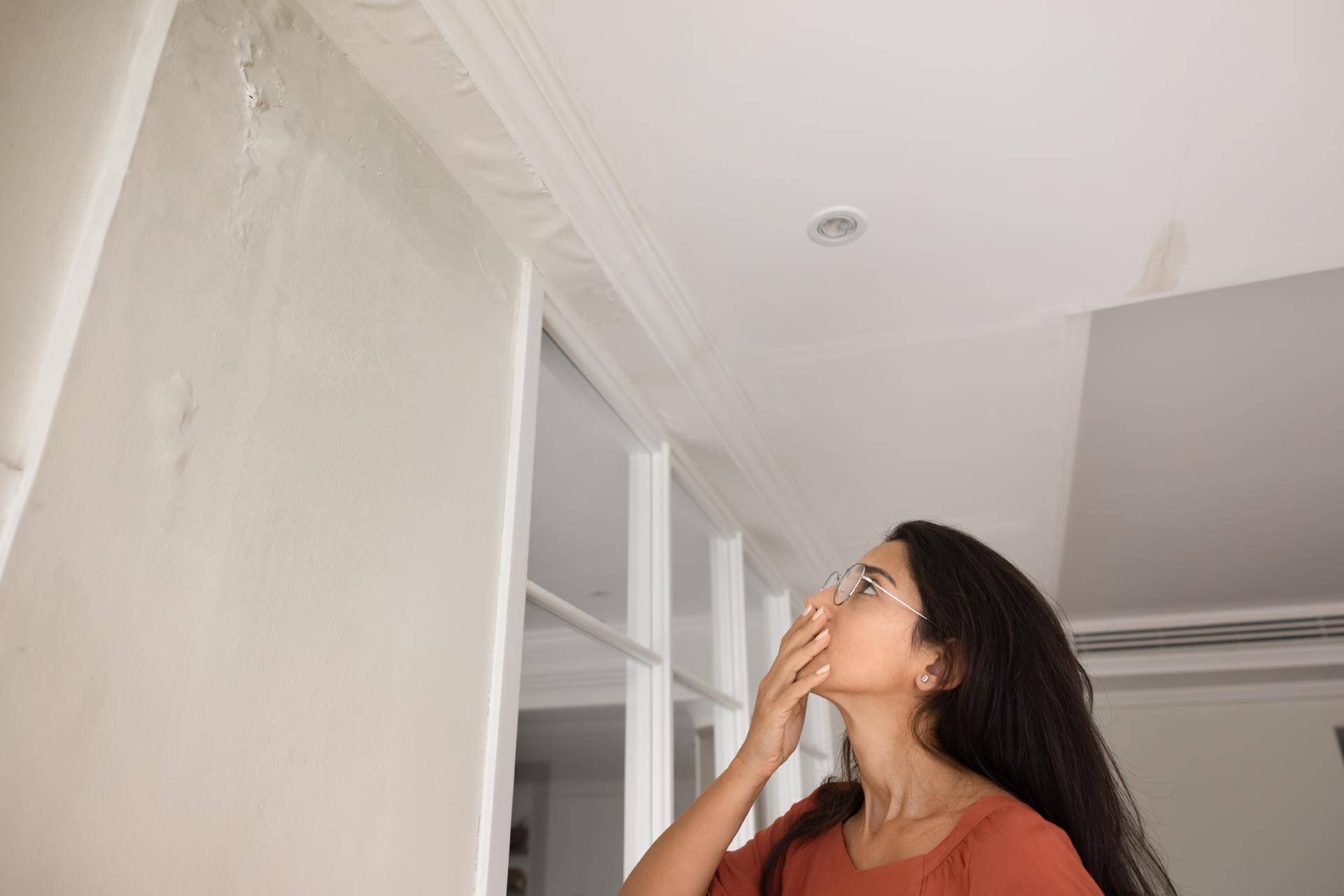
In Northern Indiana, seasonal changes can put extra stress on roofs, foundations, siding, windows, and other parts of a home. Some problems happen suddenly during severe weather, while others develop slowly over several seasons.
Knowing how weather contributes to structural damage can help you recognize warning signs and address problems before they become more expensive.
Temperature Changes Put Stress on Building Materials
Your home’s building materials expand when temperatures rise and contract when temperatures fall. This movement may seem minor, but repeated temperature swings can eventually cause materials to crack, loosen, or separate.
You may notice:
- Cracks around windows and doors
- Gaps in siding or exterior materials
- Cracks in concrete or masonry
- Deteriorating seals around windows
- Loose or damaged shingles
These small openings can also allow water to enter your home, which creates the potential for even more damage.
Rain And Moisture Can Cause Hidden Damage
Water can create some of the most serious weather damage to your home. Heavy rain, clogged gutters, damaged roofing, foundation cracks, and poor drainage can send moisture into places that should stay dry.
Once water gets inside, it can affect drywall, insulation, flooring, wood framing, and other materials. Continued moisture can also encourage mold growth.
Watch for warning signs such as:
- Water stains on ceilings or walls
- Peeling or bubbling paint
- Warped flooring
- Musty odors
- Visible mold growth
- Damp basements or crawl spaces
Don’t ignore signs of moisture just because the affected area looks small. Finding the source early can help you prevent more extensive repairs.
Freezing Temperatures Can Make Existing Problems Worse
Winter weather creates additional challenges for your home’s exterior. Water can enter small cracks in concrete, masonry, or other materials. When that water freezes, it expands and can make those cracks larger.
Repeated freeze-thaw cycles may eventually contribute to structural damage, particularly when your home already has vulnerable areas.
Freezing temperatures can also cause pipes to freeze and burst. A burst pipe can quickly release water behind walls, beneath flooring, or into a basement. Checking exposed pipes and addressing exterior cracks before winter can help reduce these risks.
Storms Can Affect More Than Your Roof
Strong winds, hail, heavy rain, ice, and falling tree limbs can cause immediate damage during severe weather. However, not every problem becomes obvious right away.
A storm could loosen shingles, damage flashing, pull siding away from your home, or create small openings that allow moisture inside. You may not discover the problem until a water stain or another warning sign appears later.
After severe weather, look around your property for:
- Missing, curled, or damaged shingles
- Loose or damaged siding
- Damaged gutters and downspouts
- Fallen branches
- Water collecting near your foundation
- New water stains inside your home
Safety Tip!
Avoid climbing onto your roof or entering an area that could put your safety at risk. A restoration professional can help assess damage when you can’t safely inspect it yourself.
Routine Maintenance Helps Protect Your Home
You can’t stop Indiana’s weather from changing, but you can prepare your property for it. Routine inspections and maintenance can help you catch weather damage to your home before a small issue grows.
Check your roof, gutters, siding, windows, foundation, basement, and crawl space throughout the year. Pay close attention after major storms and dramatic temperature changes.
Addressing minor problems early can help prevent water intrusion, mold growth, and structural damage that may require more extensive restoration work.
Get Help With Weather-Related Property Damage
When severe weather or water damages your property, acting quickly can help limit additional problems. Lake City Restoration provides water damage restoration, storm damage restoration, mold removal, and other restoration services for homeowners and businesses throughout Warsaw and surrounding Northern Indiana communities.
If you’ve discovered weather damage to your home, contact Lake City Restoration. Our team is available 24/7 to help assess the situation, limit further damage, and start restoring your property.
Frequently Asked Questions
What are common signs of structural problems after severe weather?
Look for new foundation or wall cracks, damaged roofing, doors or windows that suddenly stick, sagging areas, water intrusion, and changes to exterior siding or masonry. A professional can evaluate the property if you’re unsure about the extent of the problem.
How can I tell if weather damage to my home needs professional attention?
Contact a professional when you notice significant water intrusion, damaged roofing, mold growth, large or growing cracks, or damage that creates a safety concern. It’s also smart to request help when you can’t safely inspect the affected area yourself.
Will temperature changes damage my foundation?
Repeated temperature changes can contribute to cracking, especially when water enters existing gaps and freezes. Proper drainage and routine inspections can help you identify foundation concerns early.
What should I check after a major storm?
Inspect your property from a safe location for roof damage, loose siding, damaged gutters, fallen branches, foundation concerns, and signs of indoor water intrusion. Document visible damage and contact a restoration professional when necessary.
How can I protect my home from seasonal weather changes?
Keep gutters clear, maintain your roof, seal exterior openings, direct water away from your foundation, protect pipes from freezing, and inspect your property after severe storms. Regular maintenance can help you catch problems before they spread.
About: David Sanner