Electrical Fire Prevention: Common Causes And How to Avoid Them
Homeowners
 5 days ago
Electricity powers nearly everything in your home, from your refrigerator and furnace to your phone charger. But damaged wiring, overloaded outlets, and faulty appliances can create serious fire hazards.
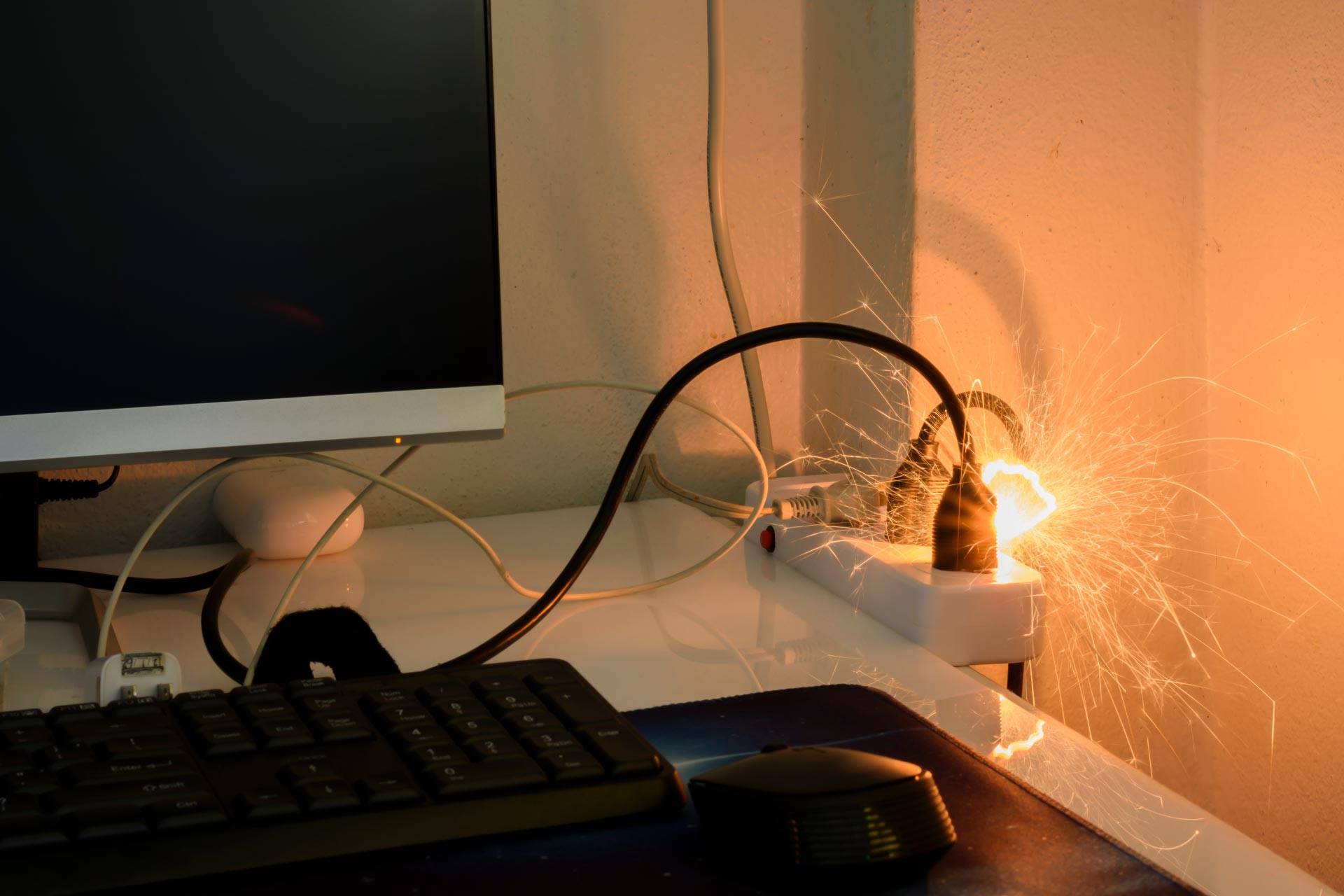
The good news is that a few simple habits can make a big difference. Understanding electrical fire prevention can help you recognize potential problems and take action before they put your home and family at risk.
What Causes Electrical Fires?
Electrical fires can start for several reasons, and you may not always see the problem before a fire begins. Paying attention to your electrical system and appliances can help you spot warning signs early.
Some common causes include:
- Overloaded outlets and power strips: Plugging too many devices into one outlet can cause overheating.
- Damaged electrical cords: Frayed, cracked, or loose cords can expose wiring and create a fire hazard.
- Old or faulty wiring: Aging electrical systems may struggle to safely handle the demands of modern appliances and electronics.
- Improper extension cord use: Extension cords can overheat when overloaded or used as permanent wiring.
- Faulty appliances: Damaged cords, plugs, or internal electrical components can create dangerous conditions.
- Space heaters: These high-wattage appliances can create hazards when plugged into extension cords or placed near combustible materials.
The U.S. Fire Administration recommends replacing damaged cords, avoiding overloaded outlets and power strips, and keeping electrical cords from getting pinched or covered by rugs.
Watch for Electrical Warning Signs
Good electrical fire prevention also means knowing when something isn’t right. Your home’s electrical system may give you clues before a serious problem develops.
Contact a qualified electrician if you notice:
- Frequently tripped circuit breakers
- Flickering or dimming lights
- Outlets or switches that feel unusually warm
- Burning or unusual odors near outlets
- Buzzing or crackling sounds
- Discolored outlets or switch plates
- Sparks when plugging in an appliance
Don’t ignore these warning signs or attempt complicated electrical repairs yourself. A licensed electrician can identify the cause and recommend a safe solution.
How Can You Prevent An Electrical Fire?
You don’t need to understand every wire behind your walls to practice good electrical fire prevention. Start with a few everyday habits.
Don’t Overload Outlets
Avoid plugging too many appliances into a single outlet or power strip. If you constantly rely on extension cords or adapters because you don’t have enough outlets, ask an electrician about adding more.
Replace Damaged Cords
Check appliance and extension cords for cracking, fraying, exposed wires, or damaged plugs. Replace damaged cords instead of trying to repair them with tape.
Only Use Extension Cords Temporarily
Extension cords shouldn’t replace permanent wiring. Choose a cord that’s properly rated for its intended use and never run cords beneath rugs, furniture, or through areas where they can get pinched or damaged.
Be Careful With Space Heaters
Plug space heaters directly into wall outlets rather than extension cords or power strips. Keep them away from curtains, bedding, furniture, paper, and other materials that could catch fire.
Schedule Professional Electrical Inspections
If you live in an older home or notice recurring electrical issues, contact a qualified electrician. Professional inspections can identify aging wiring, overloaded circuits, and other hidden hazards.
Make Fire Safety Part Of Your Routine
Electrical fire prevention shouldn’t stop with your wiring. Make sure your home has working smoke alarms, create a family escape plan, and keep appropriate fire extinguishers accessible.
You should also teach everyone in your household what to do during a fire. If an electrical fire starts, prioritize getting everyone safely outside and calling 911. Don’t put yourself in danger trying to fight a growing fire.
What Should You Do After An Electrical Fire?
Even a small electrical fire can leave behind damage that isn’t immediately visible. Heat can weaken wiring, while smoke and soot can reach walls, ceilings, outlets, appliances, and other areas throughout your home.
Lake City Restoration provides fire and smoke damage restoration for homeowners in Warsaw, Kosciusko County, and surrounding Northern Indiana communities. Our team can address smoke, soot, odors, water from firefighting efforts, and other property damage as you begin the recovery process.
If a fire damages your home, call 911 first. Once emergency responders have extinguished the fire and determined it’s safe, contact Lake City Restoration for 24/7 fire damage restoration.
Frequently Asked Questions
What are the most common causes of electrical fires?
Common causes include overloaded outlets, damaged cords, aging or faulty wiring, improperly used extension cords, faulty appliances, and electrical equipment that overheats.
Can an overloaded outlet cause a house fire?
Yes. Drawing too much power through an outlet or circuit can cause components to overheat and increase the risk of fire. Avoid overloading outlets, extension cords, and power strips.
What are signs that electrical wiring may be unsafe?
Frequent breaker trips, flickering lights, burning odors, buzzing sounds, sparks, warm outlets, and discoloration around switches or outlets can signal an electrical problem. Contact a qualified electrician if you notice these warning signs.
How often should I check electrical cords and outlets?
Make electrical fire prevention part of your regular home maintenance routine. Check cords and outlets periodically and whenever you notice damage, overheating, loose connections, or other unusual changes.
What should I do after an electrical fire in my home?
Get everyone to safety and call 911. Don’t re-enter the property until emergency personnel say it’s safe. Afterward, work with qualified professionals to evaluate electrical and structural damage and address smoke, soot, water, and other fire-related damage.
About: David Sanner
You May Be Interested In:
Fireplace Safety 101: Using and Maintaining Your Hearth
1 month ago by David Sanner

Fire Prevention Week 2026: Safety Tips
2 months ago by David Sanner

How Weather Changes Affect Your Home’s Structure Over Time
2 months ago by David Sanner

National Preparedness Month: Why It Matters And How To Participate
3 months ago by David Sanner