Fireplace Safety 101: Using and Maintaining Your Hearth
Homeowners
 2 weeks ago
Few things make a cold Northern Indiana evening feel cozier than a warm fire. Whether you have a traditional wood-burning fireplace or a gas fireplace, your hearth can quickly become a favorite gathering place during the colder months.
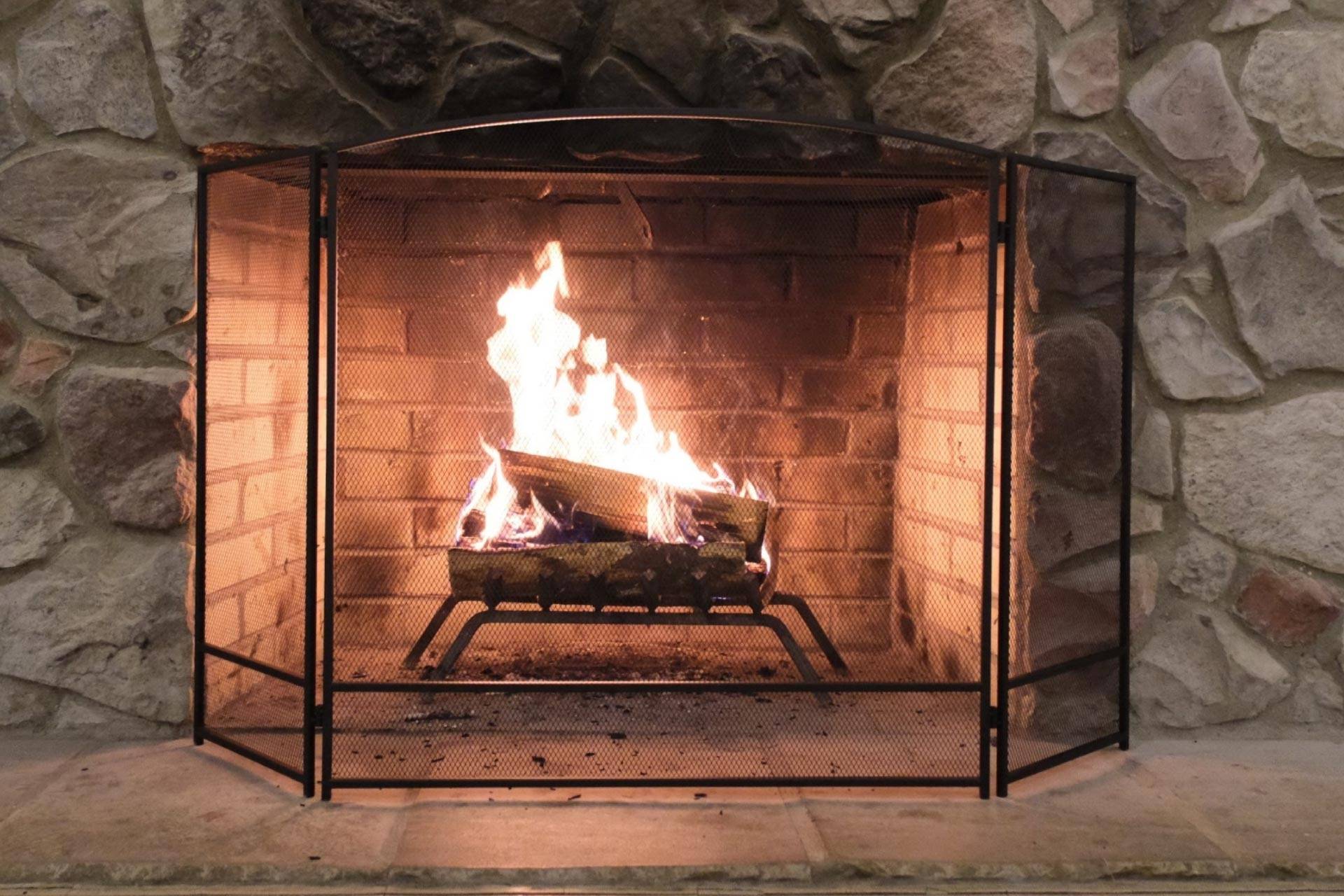
However, fireplaces also introduce an open flame and high temperatures into your home. Following a few important fireplace safety tips can help you enjoy the warmth while reducing your risk of fire, smoke, and property damage.
Inspect And Clean Your Fireplace Regularly
Good fireplace safety starts before you light the first fire of the season.
If you have a wood-burning fireplace, schedule a professional chimney inspection and cleaning at least once a year. Burning wood creates creosote, a combustible residue that can accumulate inside the chimney.
Regular cleaning helps reduce buildup and gives a professional an opportunity to identify cracks, blockages, or other problems.
Gas fireplaces also need routine attention. Follow the manufacturer’s maintenance recommendations and have a qualified professional inspect the unit periodically.
Before using any fireplace, check for visible signs of trouble, such as:
- Cracks or damage around the fireplace
- Unusual odors
- Excessive soot buildup
- Problems with the damper or flue
- Debris or animal nests inside the chimney
- Damaged glass or components on a gas fireplace
Don’t use your fireplace if something doesn’t look or work right. Have a professional inspect it first.
Keep The Area Around Your Hearth Clear
One of the simplest fireplace safety tips is also one of the most important: give the fire plenty of space.
Keep furniture, blankets, curtains, decorations, toys, and other combustible materials at least three feet away from the fireplace. Pay extra attention during the holidays, when stockings, greenery, decorations, and wrapped gifts may end up near the hearth.
Use a sturdy fireplace screen to help prevent sparks and embers from escaping a wood-burning fireplace. If you have children or pets, create a safe boundary that keeps them away from hot surfaces.
Burn The Right Materials
Your fireplace isn’t a trash can. For a wood-burning fireplace, use dry, seasoned firewood that burns cleaner and produces less smoke than wet or green wood.
Never burn:
- Cardboard or household trash
- Wrapping paper
- Painted or treated lumber
- Plastics
- Christmas trees
- Other materials not intended for fireplace use
These materials can burn unpredictably, create excessive smoke, release harmful substances, or send sparks into your chimney.
You should also avoid overloading the fireplace. Smaller, controlled fires give you plenty of warmth while making the fire easier to manage.
Never Leave A Fire Unattended
Even a small fire requires supervision. Stay nearby while your fireplace operates, and never leave children alone around an active fireplace.
Before going to bed or leaving home, make sure a wood fire has gone out completely. Never use water to routinely extinguish a fireplace fire because rapid temperature changes can damage fireplace components. Instead, spread out the embers and allow them to cool.
Wait until ashes have cooled completely before removing them. Place ashes in a metal container with a tight-fitting lid and store it outside, away from your home and other combustible materials.
Check Your Smoke And Carbon Monoxide Alarms
Fireplace maintenance only makes up part of a safe home. Working smoke and carbon monoxide alarms provide another critical layer of protection.
Install alarms in the appropriate areas throughout your home and test them regularly. Make sure everyone in your household also knows your fire escape plan and where to meet outside during an emergency.
Combining working alarms, a practiced escape plan, and smart fireplace safety tips can help your family respond quickly if something goes wrong.
What If Your Fireplace Causes Fire Or Smoke Damage?
Even a small fireplace incident can send smoke and soot into areas that flames never touched. Trying to clean the damage yourself can spread soot or leave smoke odors behind.
If you experience an active fire, get everyone to safety and call 911 first. Once emergency responders extinguish the fire, Lake City Restoration can help assess and restore your property.
Lake City Restoration provides 24/7 fire damage restoration throughout Northern Indiana. If fire, smoke, soot, or firefighting water has damaged your home, call our restoration team at 574-385-9111 to get help now.
Frequently Asked Questions
How often should I have my fireplace and chimney inspected?
Schedule a professional chimney inspection at least once a year if you use a wood-burning fireplace. Regular inspections can identify creosote buildup, blockages, cracks, and other potential safety concerns.
How far should furniture be from a fireplace?
Keep furniture, decorations, curtains, blankets, and other combustible materials at least three feet away from your fireplace.
Can I leave my fireplace burning while I sleep?
No. Don’t leave an active fireplace unattended. Make sure the fire has gone out before going to sleep or leaving your home.
What kind of wood should I burn in my fireplace?
Use dry, seasoned firewood. Avoid burning trash, cardboard, treated or painted wood, plastics, and other materials that can create excessive smoke, sparks, or harmful fumes.
What should I do if smoke or soot damages my home?
If there’s an active fire, leave the home and call 911. After emergency responders address the immediate danger, contact a professional restoration company to assess smoke, soot, fire, and water damage.
About: David Sanner
You May Be Interested In:

Fire Prevention Week 2026: Safety Tips
1 month ago by David Sanner

How Weather Changes Affect Your Home’s Structure Over Time
2 months ago by David Sanner

National Preparedness Month: Why It Matters And How To Participate
2 months ago by David Sanner

How To Safely Remove Debris After Severe Thunderstorms
3 months ago by David Sanner